about touchgrass
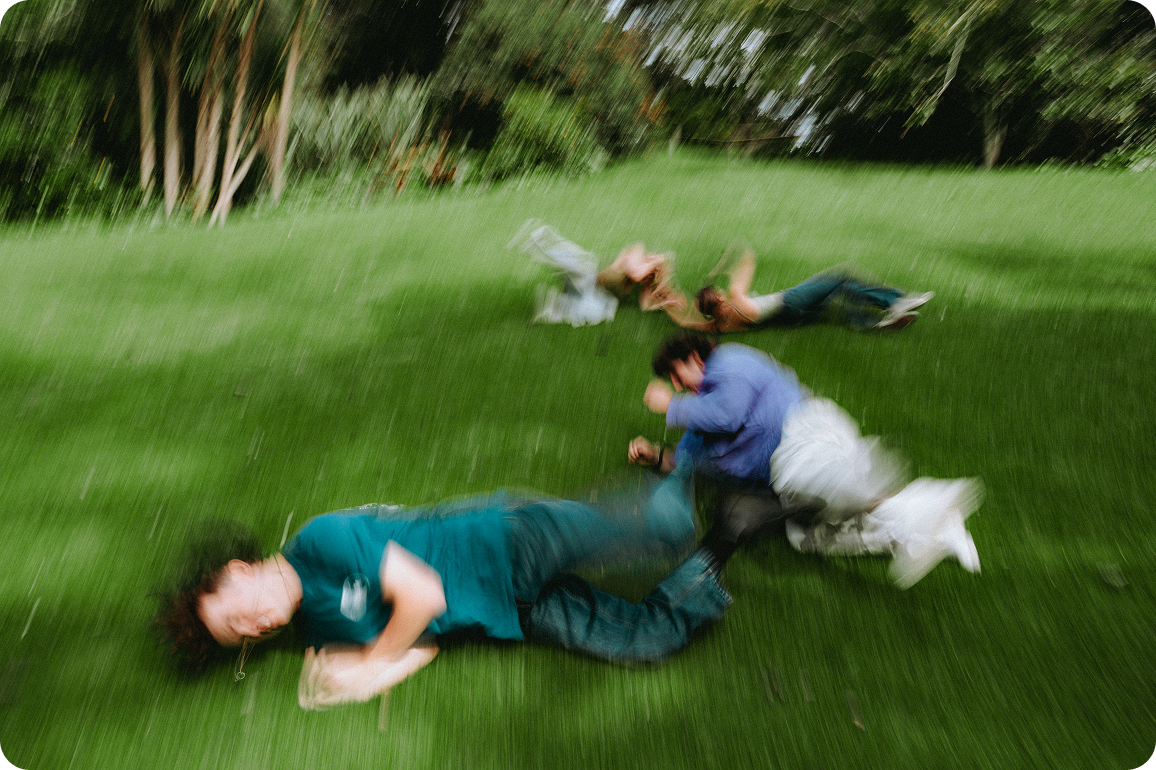
”Touch grass” is what your mates say when you need to log off and get back to real life.
Screens, games and gambling apps are built to keep you hooked. Touchgrass helps you fight back with self-knowledge, tools and real stories from people who've been there.
No lectures. No judgement. Just private, pressure-free support when you need it.
The back story
The Problem Gambling Foundation Ltd has supported Tangāta Whai Ora nationwide with clinical support for gambling harm for more than 30 years. A new idea took shape in 2025; research was mounting on the harms of screen use on young people and we realised we had the expertise in behavioural addiction to help. This started our journey beyond gambling, into a new service for gamblification, gaming, and related screen harms, specifically for rangatahi.
Touchgrass was created to give rangatahi and whānau ways to deal with these issues, all designed with and for young people. It can be accessed in multiple ways to meet people where they’re at. There are digital tools, expert counselling and youth mentoring services, all available in-person and online.

The problem
International data shows that young people are losing money to gambling at rapidly rising rates, heavily driven by smartphones, online sports betting and digital games. Because rangatahi brains are still developing logic and impulse control, they are more likely to chase financial losses.
Online gambling is growing, by early 2027 there will be up to 15 licensed online casino operators in the NZ market. This means more advertising (which will soon be legal!) and more manipulative messaging aimed at our rangatahi. Sports betting is already totally embedded in the sports we play and watch, marketing to young fans is relentless. Online gaming increasingly has gambling baked into its design with lootboxes, skins and other gamblified mechanisms easily available to our youth.
Screen addiction is another big problem we are addressing. The pandemic normalised 10-to-16-hour screen days and lowered the age problematic use begins. Kiwi teens now average 7–9 hours daily. "Screen time has become the defining public health challenge of the 21st century." (Global Health Researchers, 2024)
These addictive digital products are built by engineers and behavioural psychologists with one job: maximise time on the platforms. The engine, variable ratio reinforcement (the same mechanism behind slot machines) means you never know when the next reward's coming, so you keep checking. It shows up in infinite scroll, unpredictable likes, algorithms built to hook you, and 60–80 push notifications a day.
66%+
of young people identify screen addiction and social media overuse as an issue they are facing
40%+
of 12-17 years olds say screen addiction and social media overuse is the most important issue they face, above relationship issues, drug use, violence and abuse.
Impacts of this harm
It shows up everywhere: classrooms, homes and courts. It’s serious, sometimes irreversible, and costly to families, the economy and our health system.
It can affect cognitive functioning. It impacts mental and physical health with anxiety, depression, ADHD-like symptoms, dysregulation, suicidal ideation and sleep disruption common. It can have a profound effect on feelings of isolation and family functioning. Excessive screen use can effect brain and social development, preventing young people from thriving independently. This is leading to many rangatahi still living at home in their mid-to-late twenties.
The wider cost of all these issue combined includes discontinued education, unemployment, and a system buckling under demand. This isn't a future problem. It's here.
What rangatahi are asking for
Young people aren't asking to be excluded from the internet, they're asking to be equipped for it, through education, safer platforms, and real-world support that meets them where they are.
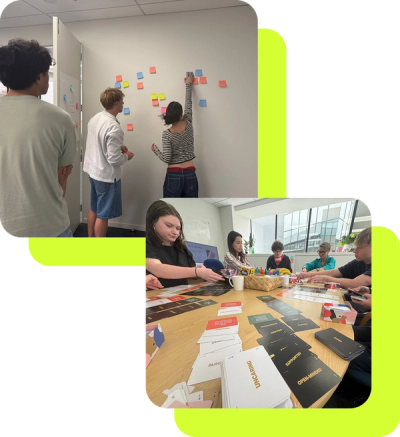
Touchgrass was built from co-design with young people, matched with international best practice. For six months we employed a group of rangatahi to research the issues and to help develop the service itself. This developed fundamental insights about rangatahi:
"We want help but we don't want anyone to know."
"We don't want to be labelled as a problem."
"Feeling stupid or embarrassed hurts more than any loss."
"Be more like a friend than a brochure."
A co-designed solution
Touchgrass is a wellbeing ecosystem for youth, co-designed by rangatahi and a specialist Problem Gambling Foundation team. It has been built to reduce the harms of a gamblified world. Our youth clinicians use best-practice evidence-based frameworks to provide high-quality treatment services. This then informs the online self-help advice that our AI chatbot is trained with.
Young people find Touchgrass in their own spaces: Reddit, Discord, TikTok, Instagram, leading into anonymous, private, online tools they can leave anytime. Whānau can find comprehensive support and professionals can refer rangatahi in. We run school and community programmes building digital literacy without stigma. When ready, rangatahi can meet youth mentors with lived experience, or move into counselling, whānau therapy, or intensive treatment.

Aotearoa-wide prevention
This isn't a willpower problem. It's a design problem. Young people aren't failing to resist screens, they're succeeding at being human in an environment built to exploit that.
Touchgrass fights back with awareness campaigns, tools, advocacy, and inspiration to live less gamblified, and more screen-free lives.
We drive nationwide prevention, tackling big business profiting off our rangatahi through engineered addiction. Our advocates, public health team and social marketers are pushing for change at the highest level.
Meet the team