
SOS: Save Our Sleep
As a clinician, an issue that really concerns me is sleep. Poor sleep is strongly associated with excessive screen use, whether that's gaming late into the night or spending hours scrolling on a phone. Yet sleep is one of the most important building blocks for healthy brain development, emotional wellbeing, and learning during adolescence.
My husband, who is a high school teacher, regularly encounters rangatahi in his classroom who are tired and struggling to concentrate. He recently told me about a student who showed him their phone's average screen time usage: 15 hours a day. On average, New Zealand teenagers are spending 42 hours a week on screens. When screen use reaches that level, it's difficult not to wonder how much sleep that young person is missing- and what impact that could have on their learning, mood, and overall wellbeing.
As teenagers grow into adulthood, their brains are still developing, strengthening important brain connections and becoming more efficient with cognitive processes. Sleep is critical to this, and most teenagers need around 9-10 hours of sleep each night to support healthy brain maturation, help them learn, regulate their emotions, and to function well during the day.

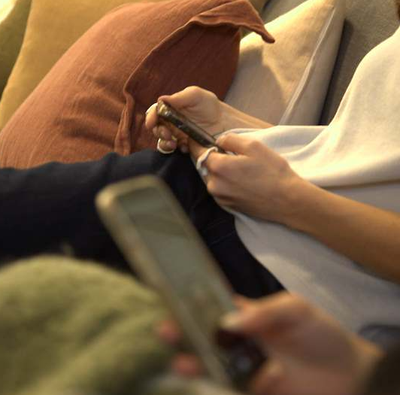
Research shows rangatahi are already at a disadvantage when it comes to sleep. This is because the adolescent brain naturally produces melatonin later in the evening making it difficult to fall asleep earlier. Screen use can make this even worse. The light from screens, combined with the stimulation of gaming, social media, and videos, can further delay melatonin release, pushing bedtime later and reducing both the quality and quantity of sleep they get.
The overuse of screens and consequent impact on sleep also has broader effects on mood, ability to concentrate on and complete learning tasks, the regulation of hormones, and lowers motivation to engage in physical activity. This can create a cycle that's difficult to break.
As parents, one of our most important roles in supporting healthy screen use is protecting our young person's sleep. Sleep gives their developing brain the time it needs to grow, strengthen connections, and mature. Protecting sleep and setting clear boundaries isn't just about today, it's about helping your young person develop lifelong habits so they can manage technology in a balanced way as adults.
3 tips to do this:
- Create a charging station outside the bedroom. Have a regular time each evening when phones, tablets, and other devices are docked away from your young person's bedroom.
- Keep the hour before bed screen-free. Encourage your rangatahi to avoid screens for at least an hour before bedtime to help their brain wind down and support better-quality sleep.
- Keep bedrooms screen-free. A no-screens-in-the-bedroom rule, especially overnight- reduces late-night screen use, protects sleep, and helps limit exposure to inappropriate content.