
Why Your Teen Can't Just "Log Off"
- Screen Addiction
Why Your Young Person Finds It Hard to Switch Off Their Device
Many parents, caregivers, and whānau have experienced the daily challenge of asking a young person to put their phone down, stop gaming, or turn off their tablet. It can be frustrating when they seem completely absorbed in what they're doing, don't respond when spoken to, or become upset when it's time to switch off.
It's easy to think they're being difficult or ignoring you on purpose. However, there's often more happening beneath the surface.
Understanding a little about how the brain works can help make sense of these behaviours. It doesn't mean there shouldn't be boundaries around screen time, but it can help us respond with greater patience, empathy, and confidence. When we understand what's happening in a young person's developing brain, we're better equipped to support them in building healthy digital habits while maintaining a strong and positive relationship.

What's Happening in the Brain?
The human brain is designed to help us survive. One of the ways it does this is by encouraging us to repeat behaviours that it believes are rewarding or important. Eating, spending time with friends, learning something new, and achieving goals all activate the brain's reward system.
Technology taps into this same system.
Every notification, message, "like," achievement in a game, or new video activates a network in the brain known as the reward pathway. This pathway involves several areas of the brain working together and is driven by a chemical messenger called dopamine.
Dopamine is often called the "feel-good" chemical, but it does much more than make us feel happy. Its main job is to motivate us. It tells the brain:
"That was important. Remember it. Let's do it again."
This is how we learn new skills and develop healthy habits—but it's also why digital technology can be so engaging.
One of the reasons devices are so effective at holding our attention is because the rewards are unpredictable. We never know when the next exciting message, funny video, achievement, or notification will appear. Our brains are naturally drawn to this uncertainty because unpredictable rewards trigger stronger dopamine responses than rewards we expect.


Think about a poker machine. People don't keep playing because they win every time—they keep playing because they might win on the next spin. Many digital platforms use the same principle. Each swipe, refresh, or scroll carries the possibility of finding something new or rewarding, encouraging us to keep going "just one more time."
Over time, the brain starts to expect these frequent bursts of stimulation. Neural pathways become stronger through repetition, making the behaviour feel increasingly automatic. Reaching for a phone can happen before we've even realised we've made the decision.
For young people, this effect can be even stronger. Their reward system develops earlier than the parts of the brain responsible for planning ahead, managing impulses, and weighing up consequences. While the reward system is saying, "Keep going!", the part of the brain responsible for self-control is still developing.
This doesn't mean young people lack willpower. It means they're trying to manage powerful brain processes with a control system that's still under construction.
Understanding this neuroscience doesn't excuse unhealthy screen habits, but it does explain why simply saying, "Just turn it off," is often much harder than it sounds.
Variable Rewards: Why Unpredictability Keeps the Brain Engaged
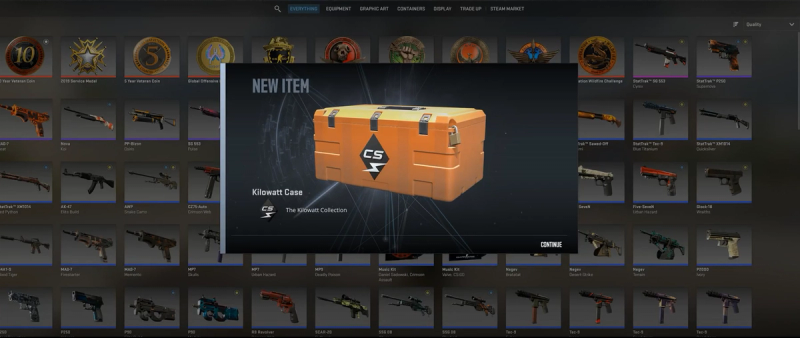
One of the reasons social media, gaming, and many digital apps are so engaging is because they use something called a variable reward system.
A variable reward means that you never know exactly when the next reward will appear. It might be a message from a friend, a funny video, a new follower, an achievement in a game, or a post that catches your attention. Sometimes something exciting happens immediately, while other times nothing happens at all.
This unpredictability is what makes digital technology so compelling.
How the Brain Responds
Our brains are constantly looking for information that is new, interesting, or rewarding. When something unexpected happens that feels positive, the brain releases dopamine, a chemical messenger involved in motivation, learning, and memory.
Over time, the brain begins to associate checking a device with the possibility of receiving a reward. Eventually, it's not just the reward that motivates us—the anticipation of a possible reward becomes motivating too.
This is why many people find themselves checking their phone without even thinking about it.
Why Unpredictable Rewards Are So Powerful
If every notification, video, or post was equally interesting, the brain would quickly lose interest. Instead, digital platforms provide rewards at unpredictable times.
One swipe might reveal nothing new.
The next swipe could reveal something exciting.
Because the brain doesn't know what is coming next, it stays engaged and encourages us to keep scrolling or checking.
Think about searching for seashells at the beach. You may walk past many ordinary shells before suddenly finding one that's beautiful or unusual. Because you never know when you'll find the next special shell, you're motivated to keep looking.
Social media feeds, video platforms, and games work in a similar way. Each swipe, refresh, or click offers the possibility of discovering something interesting, entertaining, or rewarding.
How Habits Develop
Every time a young person checks their device and finds something rewarding, the brain strengthens the connection between that behaviour and the positive experience.
Over time, this creates a habit loop:
Cue: A notification appears, there's a quiet moment, or they feel bored.
Behaviour: They pick up their device.
Reward: They see something enjoyable, interesting, or socially rewarding.
Learning: The brain remembers that checking the device can lead to positive experiences.
As this cycle is repeated, checking a device can become automatic. Many young people (and adults) reach for their phone before they've consciously decided to do so because the brain has learned to expect the possibility of a reward.

Why This Matters for Young People
Young people's brains are still developing, particularly the areas responsible for self-control, planning, and decision-making. At the same time, the brain's reward system is highly active, making new and exciting experiences especially appealing.
This means young people are naturally more responsive to the rewards offered by digital technology and may find it more difficult to stop using their device, even when they know they need to.
Understanding how variable rewards influence the brain helps explain why "just putting the phone down" isn't always as simple as it seems. Rather than being a lack of willpower, it reflects how the brain learns, adapts, and responds to rewarding experiences.