Let's talk about doomscrolling
- Doomscrolling
- Screen Addiction
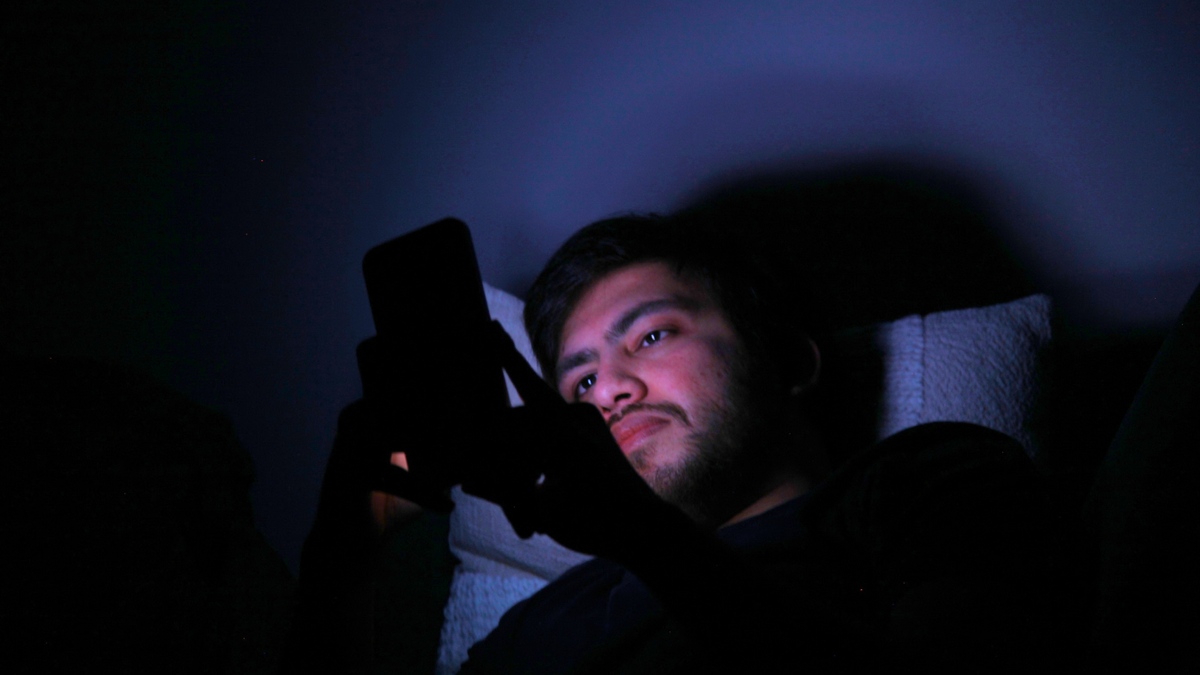
Doomscrolling is spending excessive amounts of our time accessing negative news media and content, even when it impacts our mental health and wellbeing.
Doomscrolling arose significantly during the COVID-19 pandemic, during a time of collective societal anxiety and uncertainty. In a context where there is societal unrest - such as climate change and ongoing concerns around the cost of living - doomscrolling can be a natural response for trying to make sense of the challenges the world is facing. Humans are born with a natural negativity bias, which means we naturally remember and tend to notice the bad more than the good. Back in the day, this was a survival mechanism that helped to keep us safe from predators, but today it keeps us fixated on bad news. It is totally possible to overcome though - so no need to fear.


Studies tell us that even a short exposure to negative news can reduce our optimism and mood. It’s no wonder that this can start to feel weighty when it’s a daily habit. It becomes a bit of a negative cycle, where we start to feel anxious and uncertain because of the news we are consuming, so we scroll to ease that discomfort, and this feeds the anxiety and further cycle of doomscrolling.
To get a bit brainy about it, doomscrolling essentially taps into our brain’s threat-detection system. The limbic system plays an important role in our emotional responses and - alongside other brain systems - helps us respond to potential threats through our fight-or-flight response. Part of the brain’s job is to scan our environment for things that might be dangerous or important. When we’re stressed, this threat-detection system can become more alert.
This 'fight-or-flight' response can make negative or alarming content particularly attention-grabbing. We might keep scrolling because our brains are looking for the next piece of information that could help us understand what’s happening or whether there is something we need to respond to. The problem is that social media feeds can provide an almost endless stream of new information, keeping us in that cycle of checking, scanning and scrolling. In addition to this, we are dealing with platforms that have been created with addictive technology, which makes it hard for our brains to resist.
When doomscrolling starts getting in the way of your life
Doomscrolling can have some pretty negative holistic impacts on us. When our brain is in fight and flight mode, it releases stress hormones and cortisol. These hormones are important for sharpening our senses and preparing our muscles to act. The issue with this is that when our bodies are repeatedly activated by stress hormones, it can have an impact on our blood pressure and can cause changes to our sleep, as well as muscle tension. Muscle tension can lead to larger problems, such as migraines. Stress related to doomscrolling can also impair our cognitive functioning, making it harder to focus, make decisions, and regulate emotions.
Under normal circumstances, once a stressful situation has concluded, the hypothalamus activates the parasympathetic nervous system to calm down the body (like slowing your heart rate), so it can go from fight or flight to 'rest and digest'. Continuously engaging with negative news repeatedly engages this stress response and doesn’t give the body the chance to calm down, so its understandable your body may be in high stress mode.
It's not a 'willpower' thing
Hopefully after reading this you've realised this isn't a 'lack of discipline' thing. Your rangatahi (or you!) are not alone in being unable to put down the phone - the brain is just doing what it evolved to do and the app creators know how leverage that. Good thing is that if you know what's going on, you can start working with the brain, instead of against it. Our guide on how to stop doomscrolling has practical ways to take back your attention and, importantly, your time.
If you think doomscrolling is affecting your young person, you can book in with us whenever you're ready and we can help.