

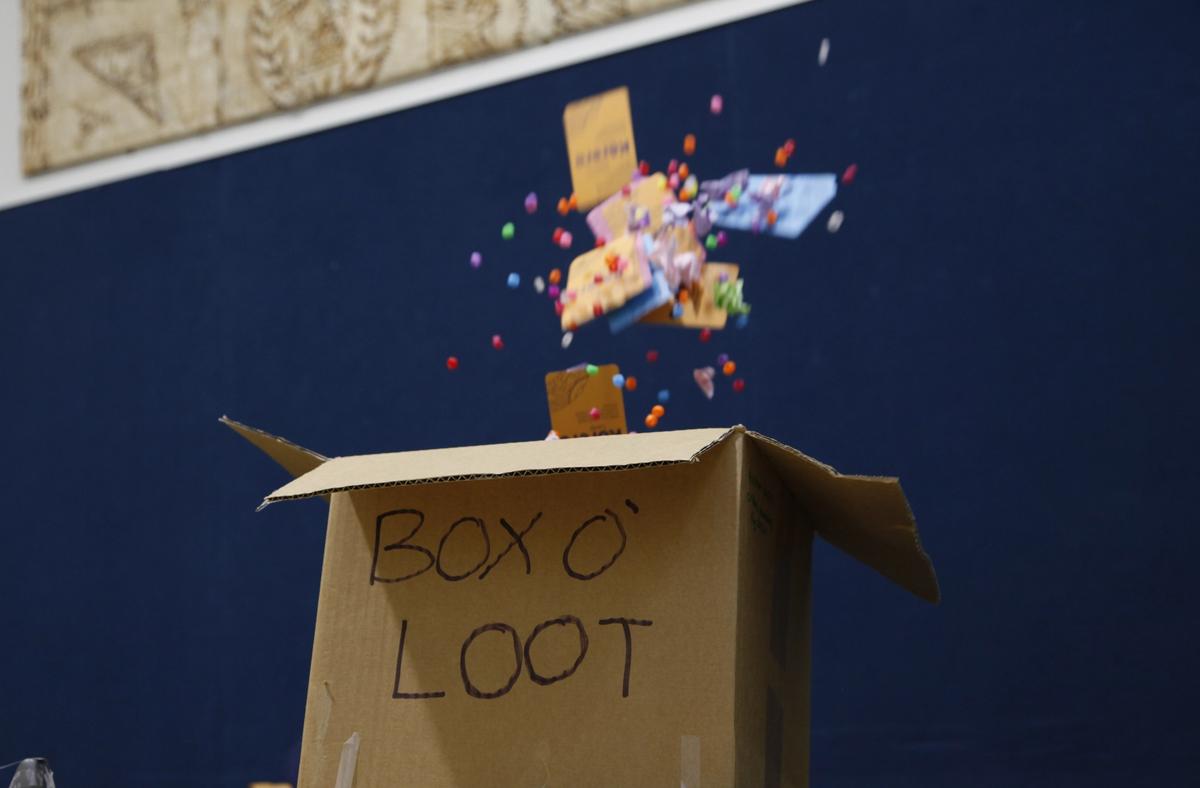
The Loot Box: The Gamblification of Gaming
- Gamblification
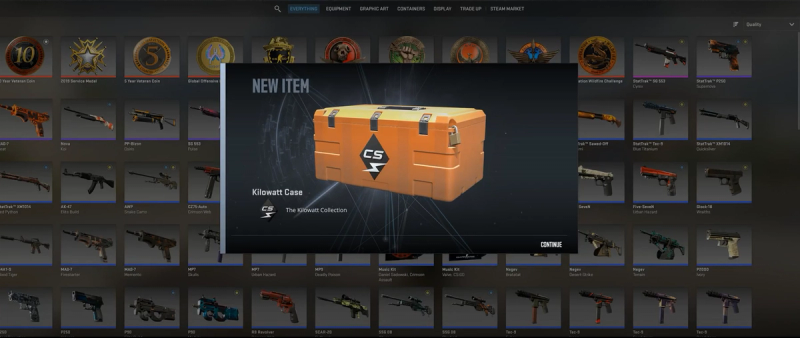
Players can earn Loot Boxes through completing challenges or reaching milestones within a game (like leveling-up a character), while some games allow them to be purchased with real money or in-game currency.
Loot boxes are designed to be exciting because players do not know what they will receive until the box is opened. This element of surprise creates anticipation and encourages players to keep trying in the hope of receiving a rare or highly desirable item.
What parents should be aware of:
It is important to understand that the excitement surrounding loot boxes is not simply about the item itself. The anticipation of not knowing what is inside can activate the brain's reward system, making the experience highly engaging. Young people may become focused on obtaining a rare item, completing a collection, or keeping up with friends who have unlocked special content.
Not all loot boxes involve spending real money, and not every young person who uses them will experience problems. However, when loot boxes can be purchased with real money, researchers have found they share some similarities with gambling because they involve paying for a chance-based reward. For this reason, many researchers, governments, and health professionals are paying closer attention to the potential impact of loot boxes, particularly on children and adolescents.
As a parent, becoming familiar with the games your child plays, talking openly about in-game purchases, and setting clear expectations around spending can help young people enjoy gaming while reducing the risk of harm.
Potential Harms and Impacts of Loot Boxes
For many young people, opening a loot box is simply an enjoyable part of playing a video game. However, for some, loot boxes can have unintended consequences, particularly when they involve spending real money or encourage repeated purchases.
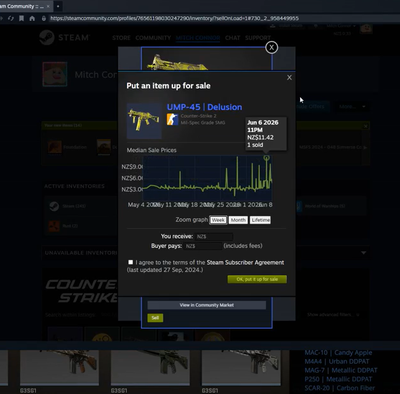
Some of the potential impacts include:
Increased Spending
Because the rewards are random, players may continue purchasing loot boxes in the hope of receiving a rare or valuable item. Small purchases can quickly add up, and young people may not fully understand how much they are spending, particularly when purchases are made using saved payment details or virtual currencies.
Difficulty Stopping
The excitement of opening a loot box and the possibility of receiving a rare reward can make it difficult for some players to stop. They may tell themselves, "I'll just open one more," hoping the next box will contain the item they want.
Normalising Chance-Based Spending
Loot boxes introduce young people to paying for an uncertain outcome. Rather than purchasing a specific item, they are paying for the chance of receiving one. Some researchers suggest that repeated exposure to these mechanics may help normalise chance-based spending, particularly for children and adolescents whose decision-making skills are still developing.
Frustration and Disappointment
Most loot boxes contain common items rather than rare rewards. Repeatedly receiving unwanted items can leave players feeling frustrated or disappointed, which may encourage them to continue spending to obtain the item they were hoping for.
Social Pressure
Many games encourage players to compare achievements, characters, or cosmetic items with friends. Young people may feel pressure to keep up with others, particularly if rare items are viewed as a sign of status, skill, or commitment within the game.
Connection to Gambling Harm
Research has consistently found an association between spending money on loot boxes and higher levels of problem gambling. While this does not mean that loot boxes cause gambling harm, it does suggest that young people who spend heavily on loot boxes may be at greater risk of experiencing gambling-related problems later or may already be more vulnerable to gambling behaviours. More research is still needed to fully understand this relationship.
Understanding how loot boxes work allows parents to have informed conversations with their children, set healthy boundaries around in-game spending, and encourage balanced gaming habits.
So what can you do about it?
Avoid blaming or shaming your young person for enjoying games. Instead, approach the conversation with curiosity and support. Young people are often more willing to discuss their gaming experiences when they feel listened to rather than judged.
By understanding how loot boxes work and setting clear boundaries around spending, parents can help young people enjoy gaming while reducing the risk of financial, emotional, and behavioural harm.
If your child is allowed to make in-game purchases, agree on clear limits beforehand. This might include:
- Setting a monthly gaming budget.
- Requiring permission before making purchases.
- Using gift cards or prepaid balances instead of linking a credit or debit card to gaming accounts.
Most gaming consoles and app stores allow parents to:
- Require a password or PIN for every purchase.
- Disable in-game purchases.
- Set spending limits.
- Enable parental controls and purchase notifications.
These settings can help prevent accidental or impulsive spending.
Otherwise, you can make sure that your card details are not saved on the device at all.
Most young people enjoy gaming without experiencing harm. However, it may be helpful to check in if you notice your child:
- Becoming secretive about spending.
- Asking for money more often.
- Becoming distressed after opening loot boxes.
- Spending increasing amounts of time or money trying to obtain a rare item.
- Becoming irritable when unable to play.
These changes do not necessarily mean there is a serious problem, but they may indicate that a conversation or additional support is needed.

Check out some of our resources - there might be one you'll find useful.